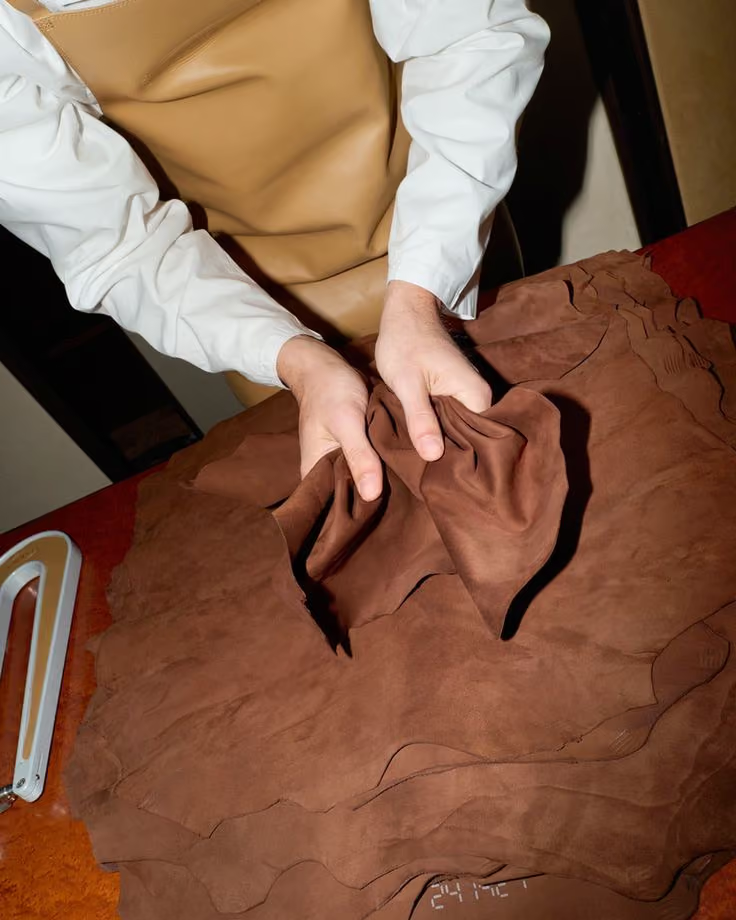


A house can spend a century perfecting its craft and still remain largely unknown beyond its own walls.

The New Pace of Luxury
Constant exposure kills the thing luxury sells. Desire needs distance.
Read Article


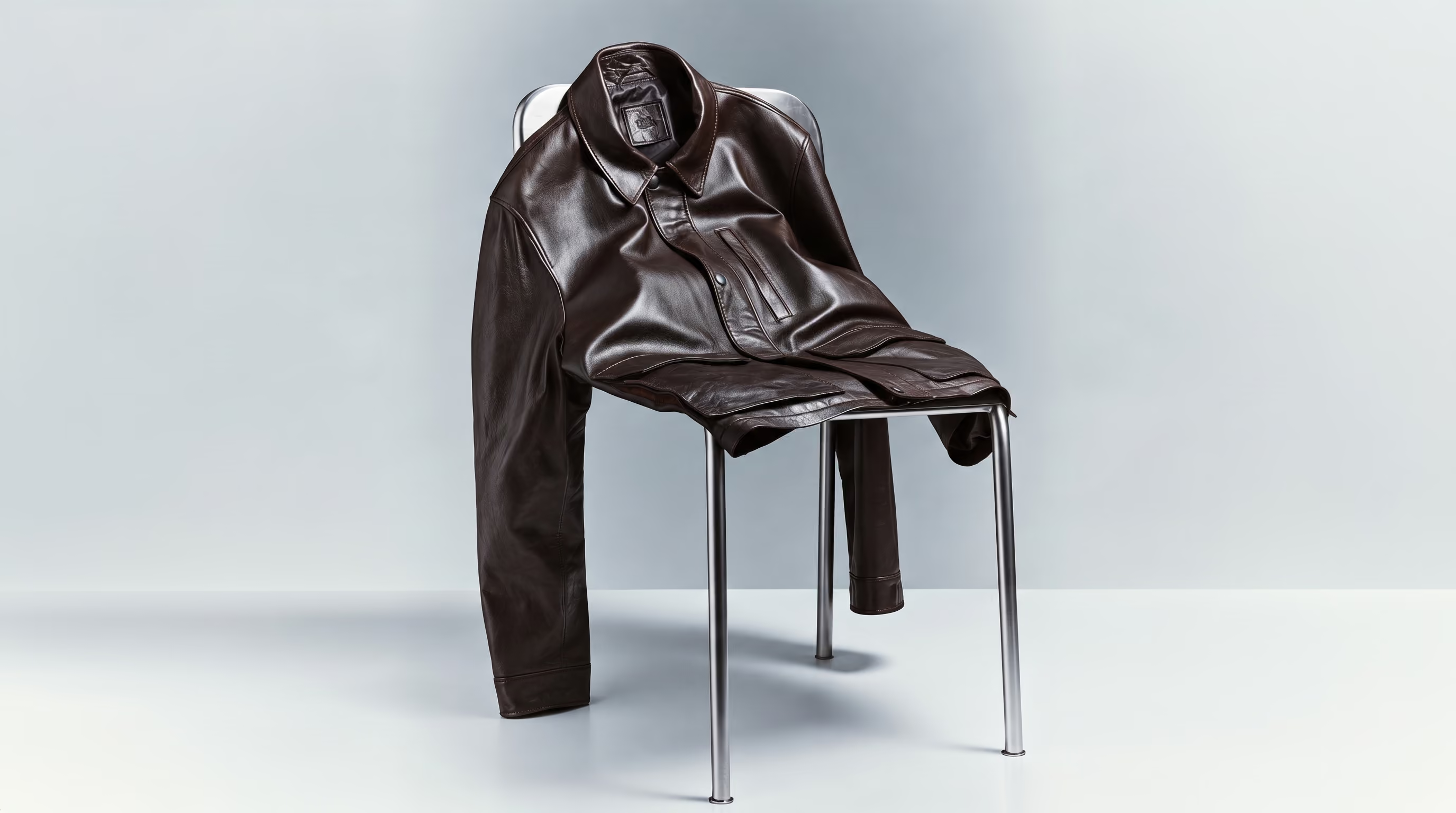
A house can spend a century perfecting its craft and still remain largely unknown beyond its own walls.
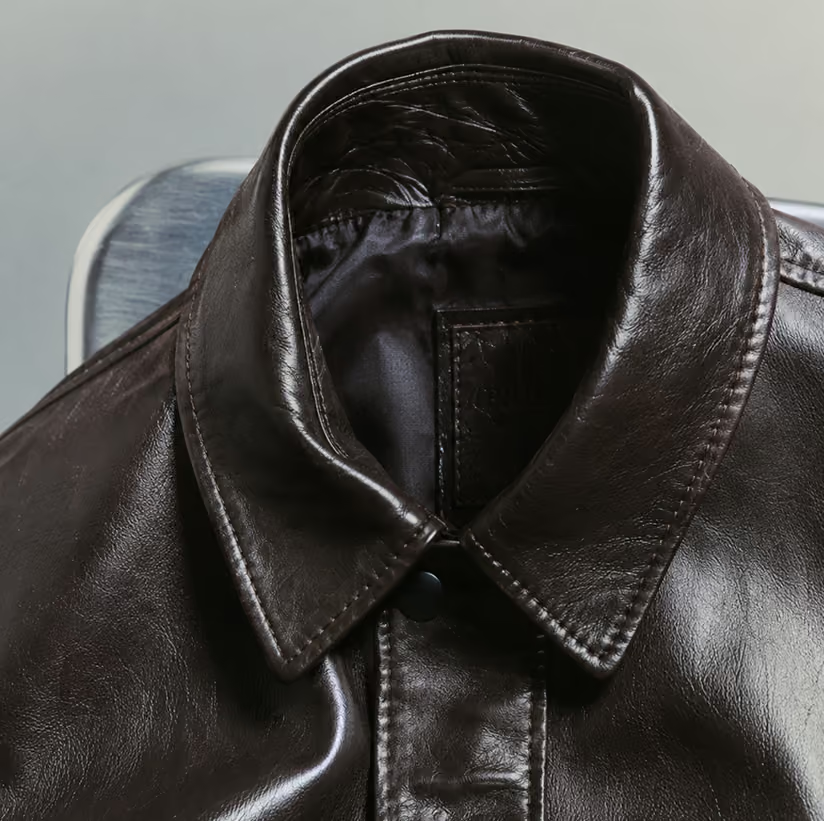
September 20, 2026
Somewhere right now, a house is making something extraordinary that almost nobody will ever see. Very little of that craft reaches the world.
Luxury used to assume that quality would eventually find its audience. Give great craft enough time, and people will notice. That assumption no longer holds, and the market makes that clear every day. Attention has never been harder to earn, and being excellent no longer guarantees being known. A house can spend a century perfecting its craft and still remain largely unknown beyond its own walls.
Often, this is the result of how the business was built. Many of the world's most skilled workshops spent generations making for other houses, with someone else's name on the finished product. Visibility was never the goal; craft was, and for decades that model worked. But the conditions change. A long-standing client relationship shifts. A younger buyer starts asking who actually made what they're buying. Growth requires the workshop to build a name of its own. Suddenly, a perfectly sound business model has become a problem of visibility.
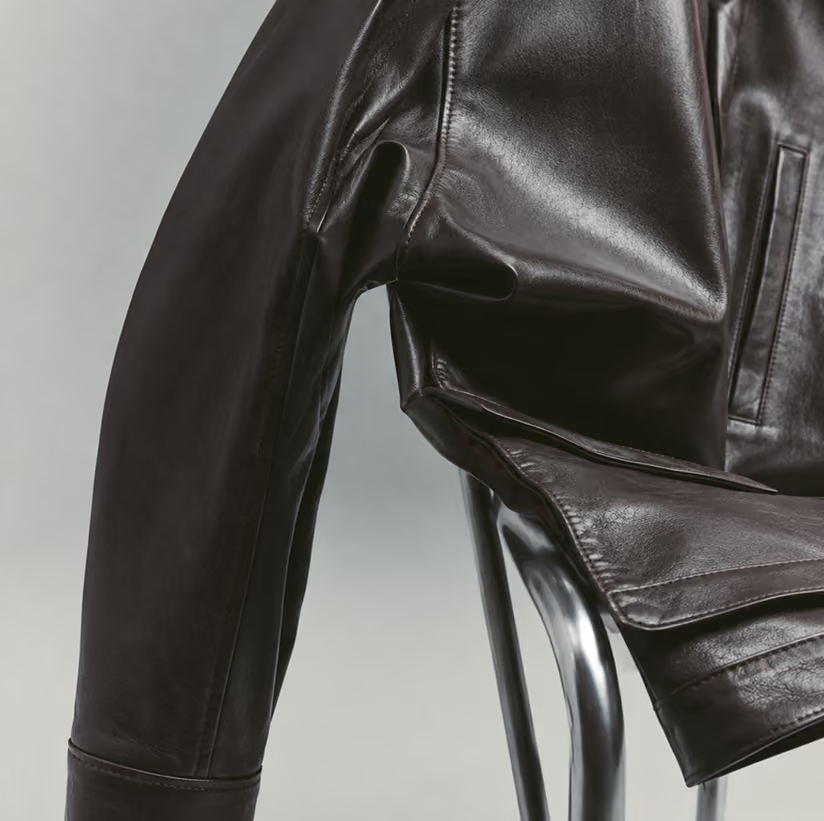
Excellence and recognition are not the same asset. One does not produce the other. Zegna figured this out decades ago, a fabric mill that refused to stay permanently upstream of its own reputation and built a house instead. Loro Piana ran quietly for most of its history, adored by a small circle, unknown to everyone else, until the world finally caught up to what insiders always knew. Both stories end the same way. The gap between real quality and real recognition never closes on its own. Somebody closes it on purpose.
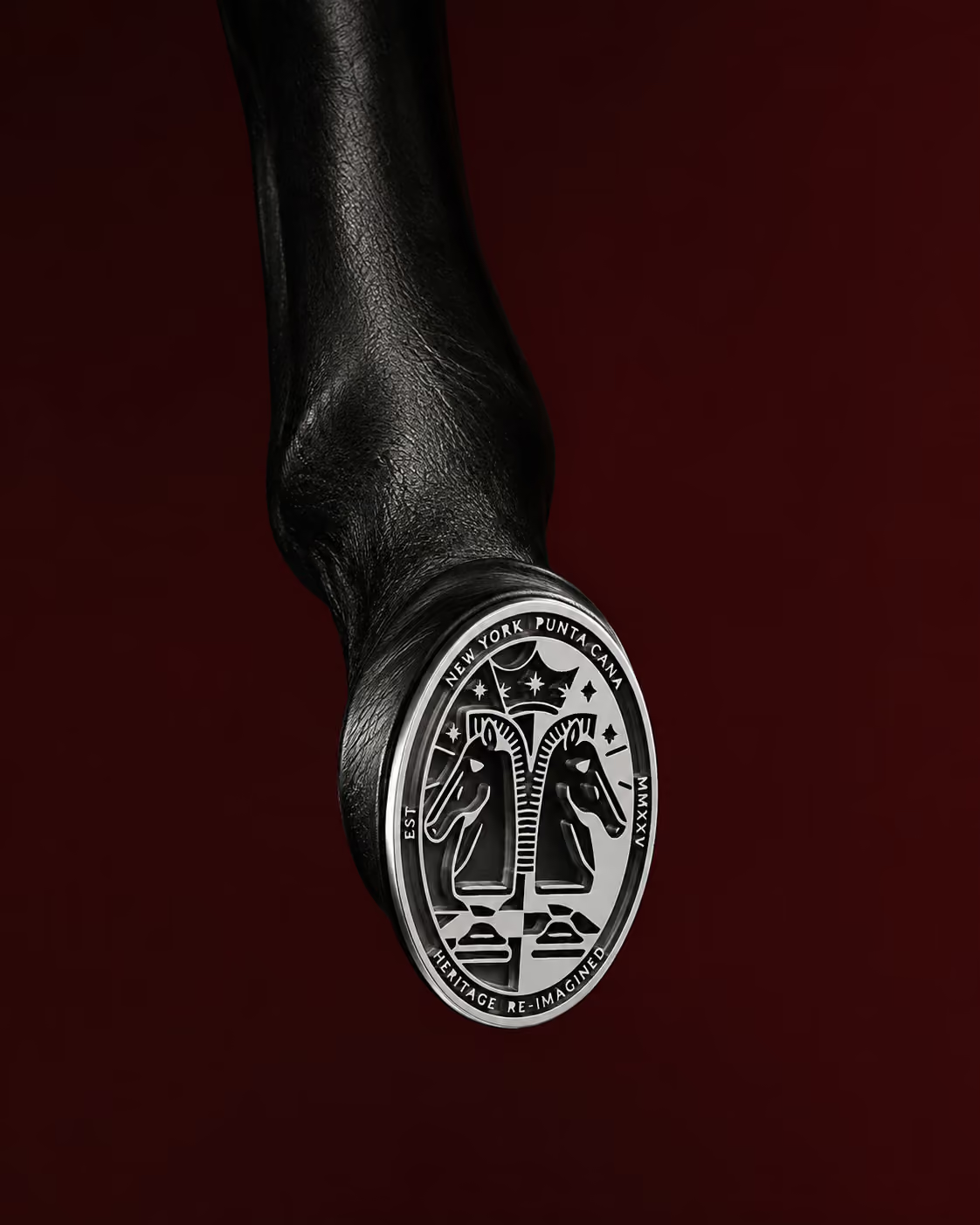
A few houses are beginning to step out from behind their supplier relationships and put their own names on work that spent decades carrying someone else's. They're also bringing stories that once stayed within their home markets to new audiences, by translating what makes the craft meaningful into a language those audiences can understand. The opportunity is to make the craft more visible and give it a story of its own.
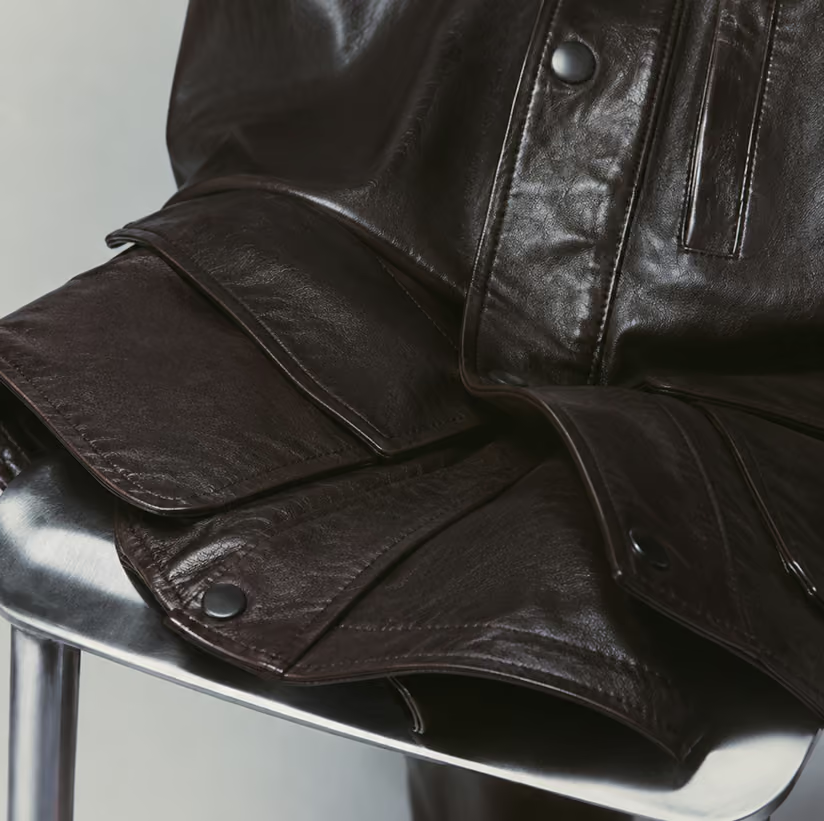
The payoff is bigger than simply finding more customers. Closing that discovery gap can reposition the house itself: from a hidden supplier to an originator, and from a regional secret to a name people actively seek out. Decades of work that once went unseen can become exactly the kind of history today's buyer values, but only if the story is built with the same care as the craft. Done carelessly, it can feel sudden or unearned. Done well, it feels like the market is finally catching up to something that was already there.
Being excellent was never enough on its own. The houses that understand this and deliberately close the gap between craft and visibility are the ones most likely to be remembered as originators. The ones that continue to wait for recognition risk being overlooked by the next generation.
Great craft doesn't guarantee recognition. The house has to build that connection.
The gap between real quality and real recognition never closes on its own. Somebody closes it on purpose.
Constant exposure kills the thing luxury sells. Desire needs distance.
Read Article
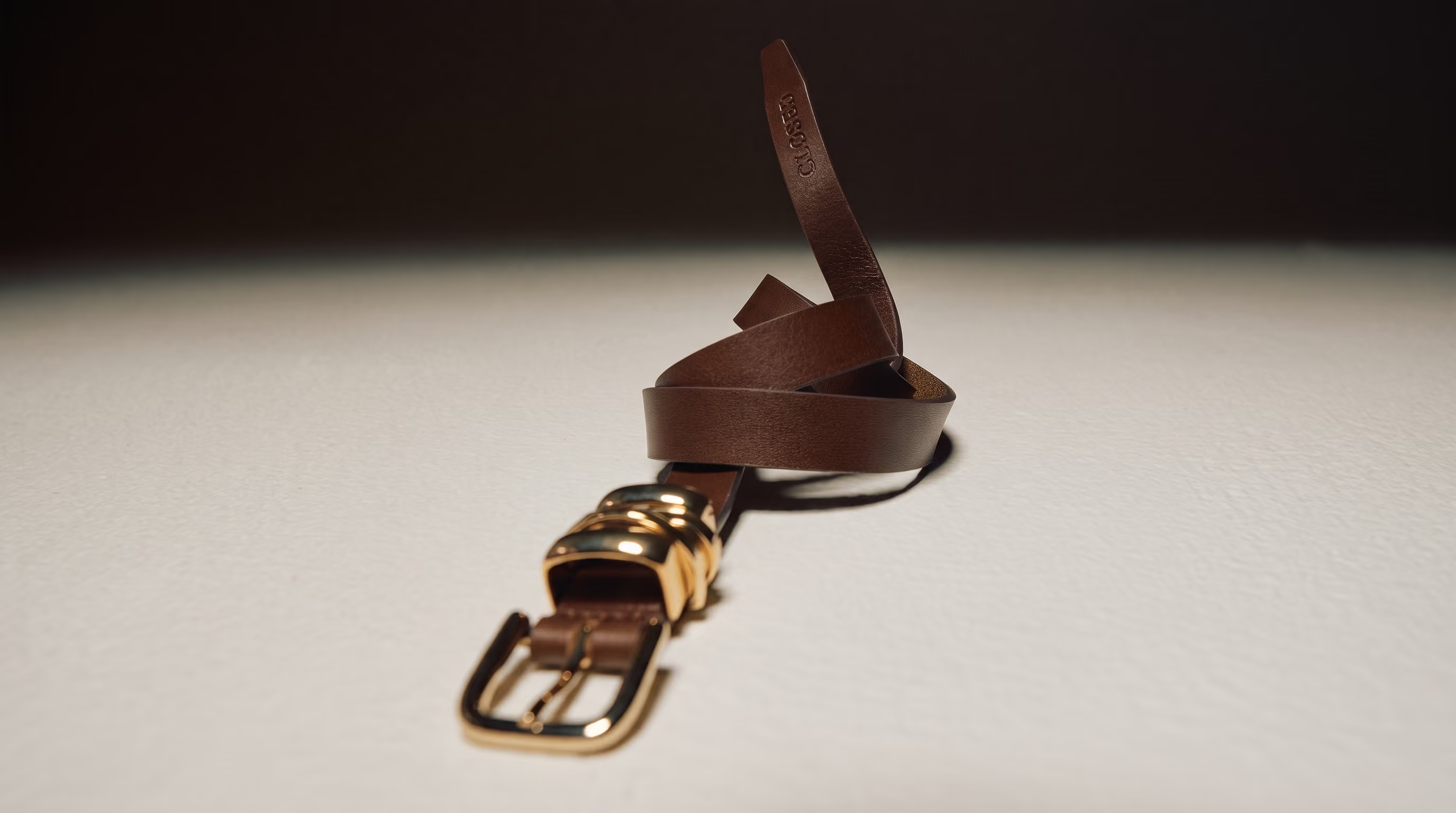
The old formula was simple: status plus scarcity created desire. The new buyer isn't interested in the club.
Read Article

Training an artisan takes years. Losing one takes a resignation letter.
Read Article
A house can spend a century perfecting its craft and still remain largely unknown beyond its own walls.
Read Article