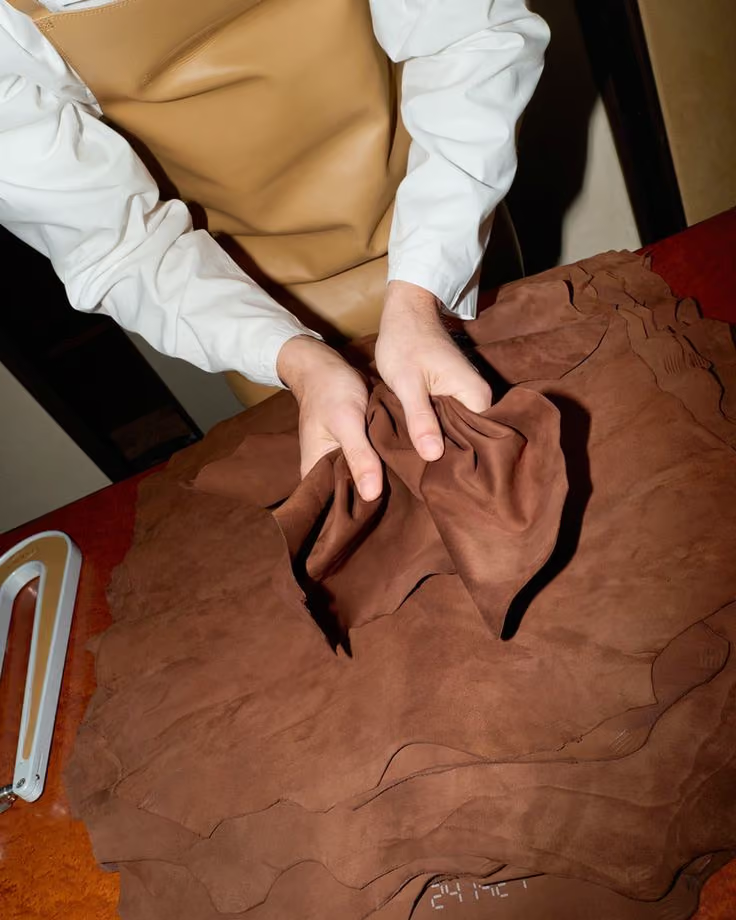


The old formula was simple: status plus scarcity created desire. The new buyer isn't interested in the club.

The New Pace of Luxury
Constant exposure kills the thing luxury sells. Desire needs distance.
Read Article


The old formula was simple: status plus scarcity created desire. The new buyer isn't interested in the club.
September 24, 2026
The old formula was simple: status plus scarcity created desire. The logo showed where you stood. Owning the right product meant joining the club, but the new buyer isn't interested in the club.
They have the money. They just don't see luxury the way their parents did. Millennials and Gen Z entered luxury on their own terms. The symbols that used to mean success now read, to a lot of them, as noise. They are curating who they already are. These generations prefer intimacy over prestige and coherence over spectacle. And the harder a brand insists on its own importance, the faster they scroll past it.
Growth that once came from logo visibility now comes from cultural credibility. These buyers look at the story, the sourcing, and whether the behavior matches the message. They take their cues from peers, and they are far more interested in understanding a brand than simply being seen with it.
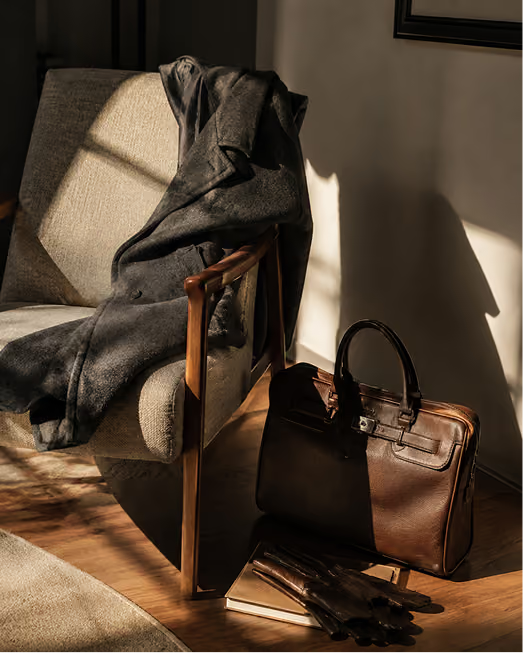
The houses adapting are finding new ways to make luxury feel credible. Loewe and Jacquemus turn craft into culture rather than hierarchy. Hermès uses humor and restraint where grandeur once did the work, while Toteme has built understatement into a recognizable identity. Across these brands, quiet has become its own signal: the confidence to be understood without constantly explaining who you are.
The counterpoint is worth acknowledging: younger luxury buyers still respond to status and pleasure, just as previous generations did. The difference is that they are less willing to overlook when a brand's story and behavior don't match. They will still pay a premium, but they expect the brand to give them a reason to believe in what they're buying.

Which brings us to the real assignment: building belonging without exclusion. That means shifting investment from amplification to intimacy, making clienteling feel more like conversation, and building communities around knowledge rather than access. The funnel is changing too. Awareness no longer creates alignment; increasingly, alignment is what creates awareness.
Luxury spent a century being admired from a distance. Its future depends on being understood up close.
Luxury spent a century being admired from a distance. Its future depends on being understood up close.
Constant exposure kills the thing luxury sells. Desire needs distance.
Read Article
The old formula was simple: status plus scarcity created desire. The new buyer isn't interested in the club.
Read Article
Training an artisan takes years. Losing one takes a resignation letter.
Read Article
A house can spend a century perfecting its craft and still remain largely unknown beyond its own walls.
Read Article