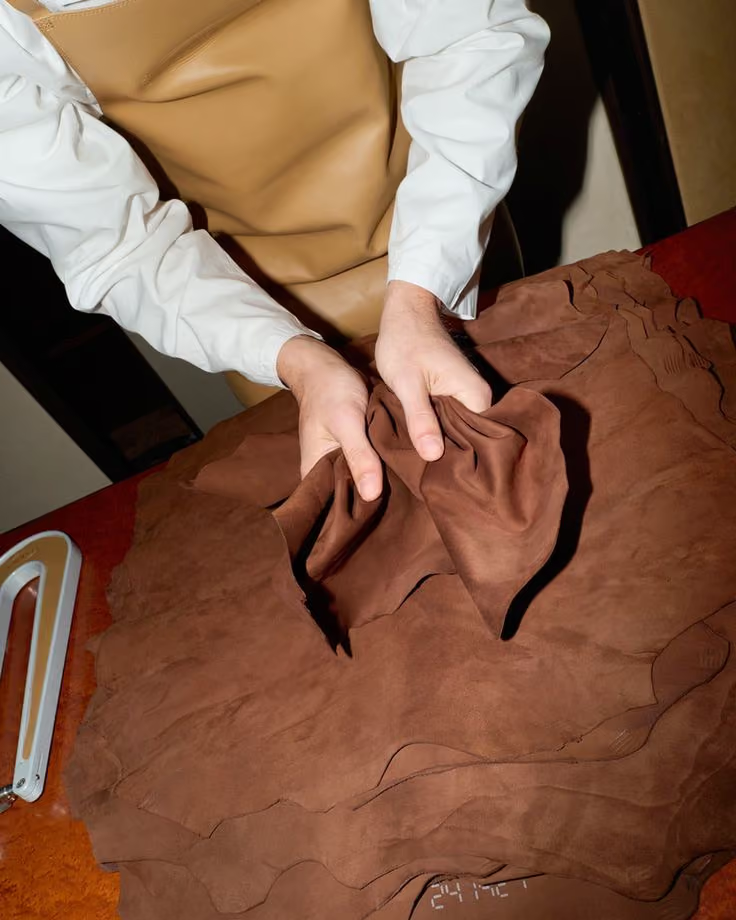


Training an artisan takes years. Losing one takes a resignation letter.

The New Pace of Luxury
Constant exposure kills the thing luxury sells. Desire needs distance.
Read Article



Training an artisan takes years. Losing one takes a resignation letter.

September 20, 2026
Everyone in this industry talks about leather. Almost nobody talks about craftsmanship.
The average trained leatherworker in Europe is around fifty years old. The benches behind them are emptying. The workshops that trained generations of artisans can't fill seats anymore. We spent twenty years worrying about demand, pricing, and logos. Meanwhile the most stable thing in the whole ecosystem, the craft itself, became the most fragile.
Training an artisan takes years. Losing one takes a resignation letter.
For two decades the industry chose speed. Faster calendars, more lines, more categories. It worked, if you measure success by production, but craftsmanship was overlooked. Every retirement takes knowledge that was never written down. The methods, the muscle memory, the judgment built over years. It leaves with the artisan and you can't hire it back.
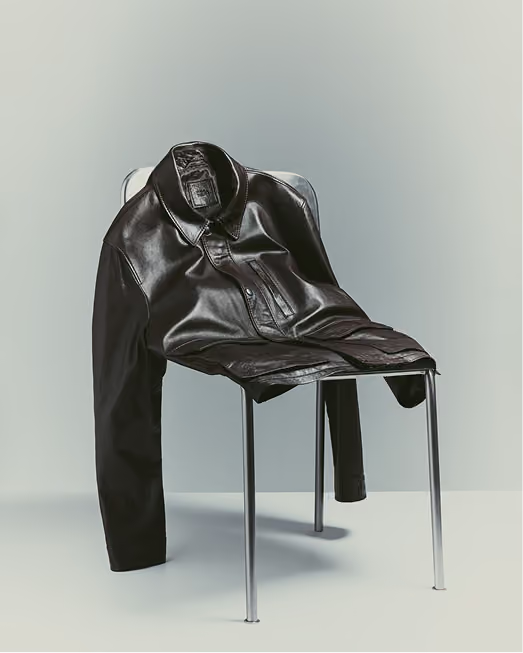
Scarcity used to be a choice. Limited runs were strategy, a way to protect desire. Now, for a lot of houses, limited runs are simply what the remaining hands can produce. That is a ceiling. And some houses are papering over it, simplifying construction, sending finishing work abroad, hoping nobody looks too closely at the difference between real luxury and an expensive price tag.
The smartest players saw this coming and did something about it. Hermès built regional leather schools tied directly to its own workshops as a way to have more supply chain control. Chanel's Métiers d'Art runs as both a creative lab and craft incubator. LVMH recruits apprentices from regions the industry has never looked at before. When the biggest houses in the world start building schools, believe them. They're telling you what they're afraid of.
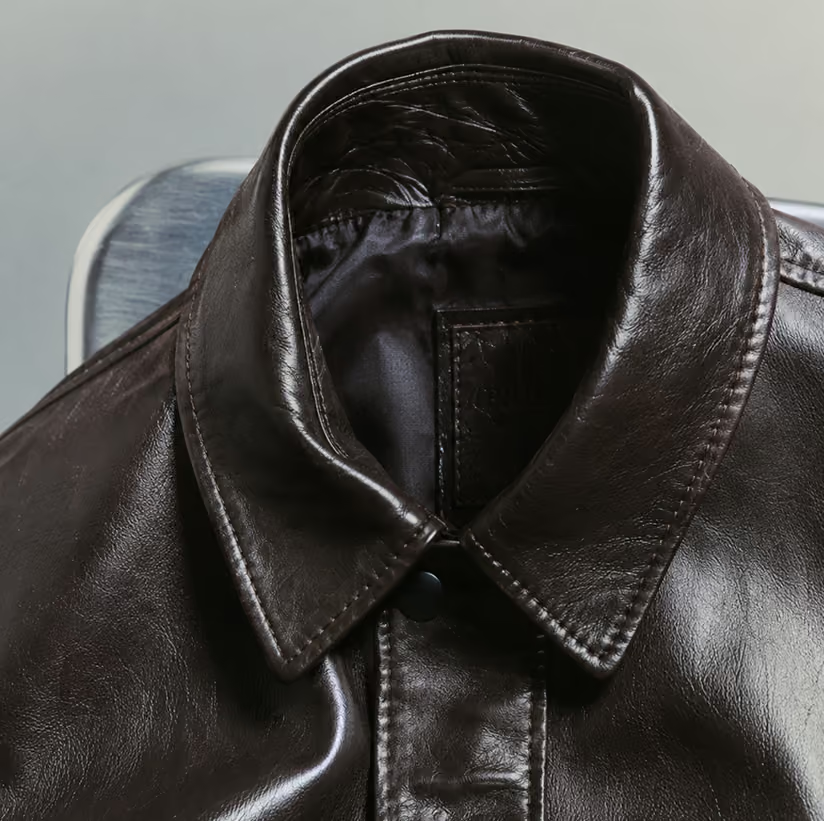
And there's an opportunity here that goes beyond simply preserving what already exists. A house that owns its skill pipeline, owns its innovation. It can iterate faster, depend on suppliers less, and run the repair and personalization programs that are becoming the strongest loyalty engines in the category.
The next decade of differentiation will come from who can actually make the thing. When you cut training, you limit your future. When you fund it, you shape it.
Luxury has always depended on time. Time to tan, to stitch, to perfect. Now it depends on time invested in people.
When the biggest houses in the world start building schools,
believe them. They're telling you what they're afraid of.
Constant exposure kills the thing luxury sells. Desire needs distance.
Read Article

The old formula was simple: status plus scarcity created desire. The new buyer isn't interested in the club.
Read Article
Training an artisan takes years. Losing one takes a resignation letter.
Read Article

A house can spend a century perfecting its craft and still remain largely unknown beyond its own walls.
Read Article