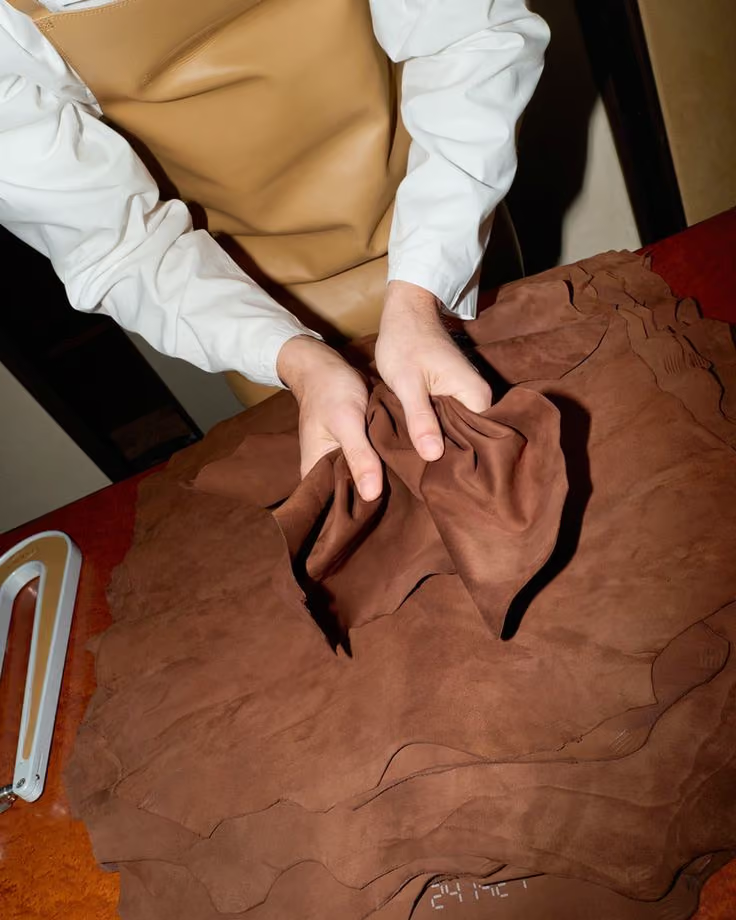



Independence in luxury was often treated as a problem a brand had yet to solve.

The New Pace of Luxury
Constant exposure kills the thing luxury sells. Desire needs distance.
Read Article


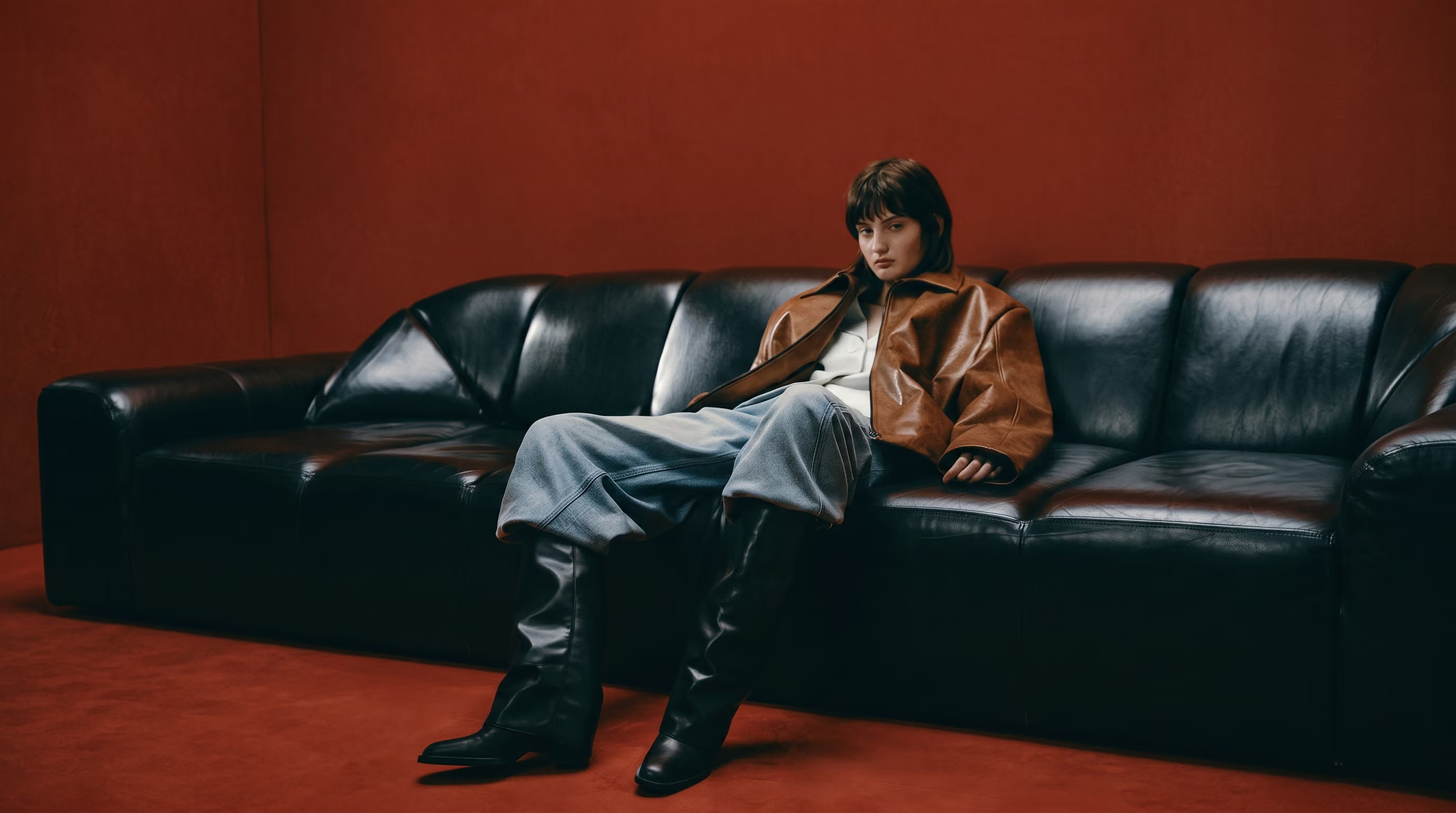
Independence in luxury was often treated as a problem a brand had yet to solve.
September 20, 2026
Independence in luxury was often treated as a problem a brand had yet to solve. Without conglomerate backing, brands had less retail scale, less wholesale leverage, and less money behind marketing. Selling was framed as maturity: the natural next step for any serious brand.
That logic is becoming harder to defend, and the industry's own numbers are starting to show why.
The groups were supposed to bring stability. Instead, they've spent the last two years defending price increases that alienated their own clients, cycling creative directors like quarterly earnings, and explaining to investors why the growth machine stalled. Scale solved distribution. It never solved desire, and it definitely never solved trust.
And the structural problem is worse than the numbers. Inside a group, a house becomes a line in an Excel sheet. It competes with sibling brands for capital and attention. Decisions that used to take a family one conversation now take a committee one quarter. The very thing that made the house worth buying, a distinct point of view, gets diluted by the structure that was supposed to protect it.
Chanel has stayed private, and that independence gives it the freedom to move on its own clock, generation after generation. Hermès has resisted acquisition pressure for decades for much the same reason: to keep decision-making within the family. The pattern extends to smaller houses too. Some have turned down buyout offers repeatedly, choosing slower, harder growth over giving up control of the brand. Others took the deal, saw what happened, and eventually bought themselves back. In both cases, the choice was the same: stay smaller and independent rather than become bigger at the cost of control.
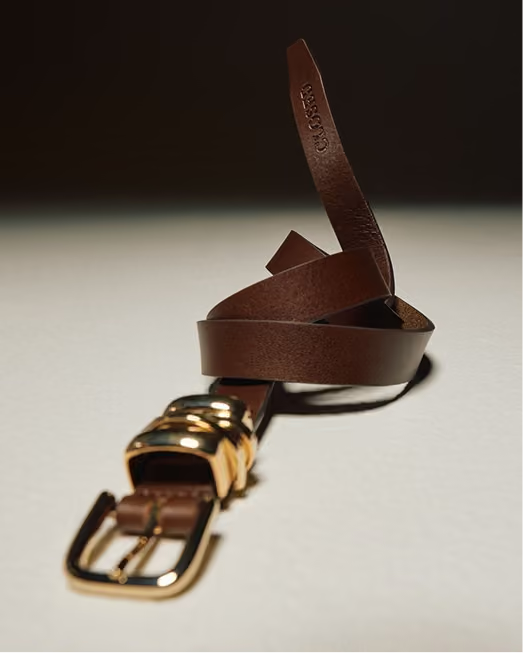
Independence, when communicated well, can shift from something a house has to explain into something buyers actively value. A generation raised with deep skepticism toward institutions responds to knowing there is a real person, family, or set of people behind a decision. A family house that can say, plainly, that this was our choice and no one else made it is offering something a large group cannot easily manufacture. That is a structural advantage that many independent houses have had all along but have rarely treated as part of their value.
And that's the opportunity. Independence only becomes an asset when the market understands what it means. Lived quietly, it's simply a fact. Communicated clearly, it becomes part of the brand's equity. Most independent houses have the advantage already. They just haven't been telling the story.
For years, independence was treated as a disadvantage to overcome. Increasingly, it is becoming one of the things that makes a house worth choosing.
Scale solved distribution. It never solved desire,
and it definitely never solved trust.
Constant exposure kills the thing luxury sells. Desire needs distance.
Read Article
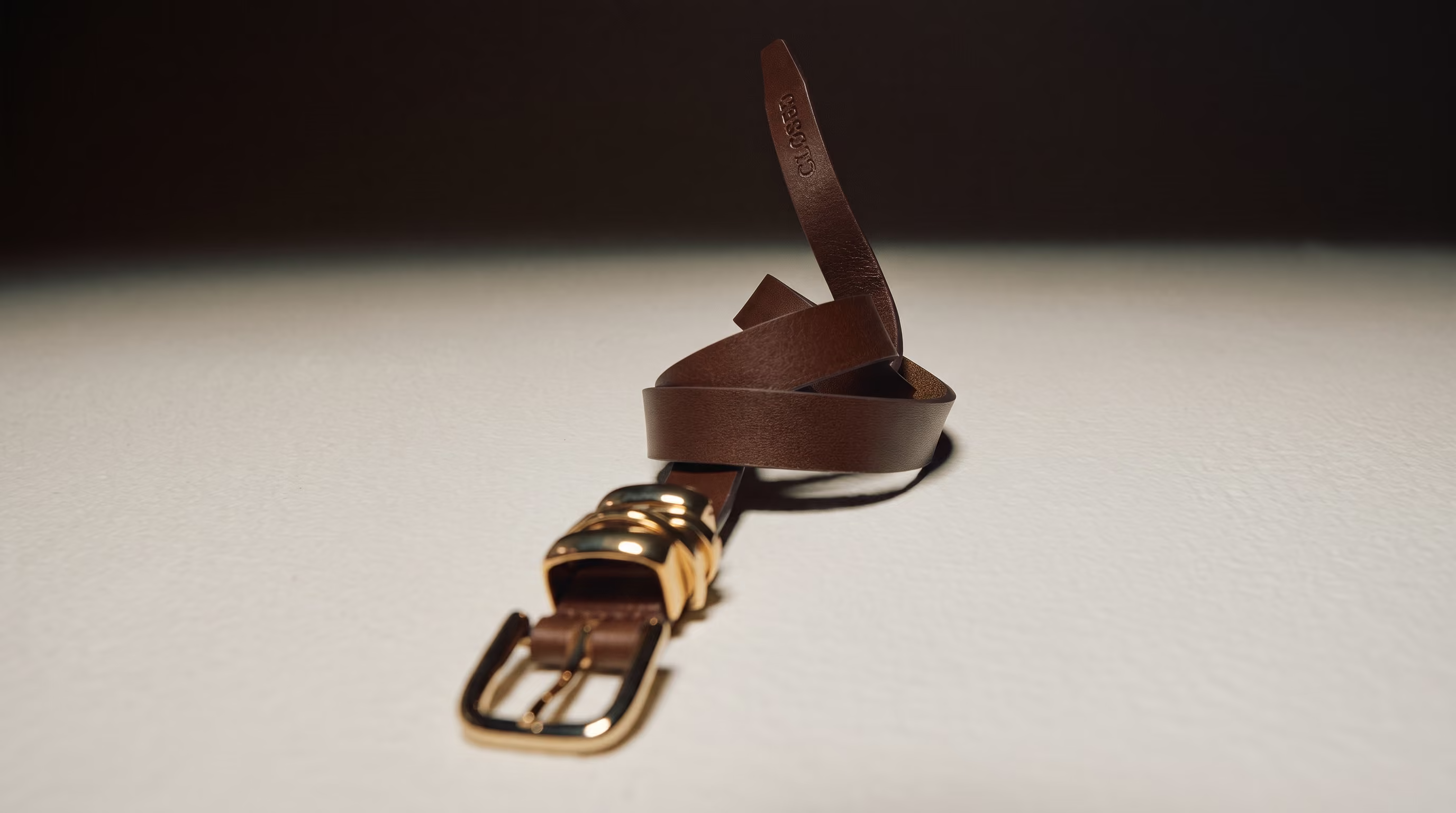
The old formula was simple: status plus scarcity created desire. The new buyer isn't interested in the club.
Read Article
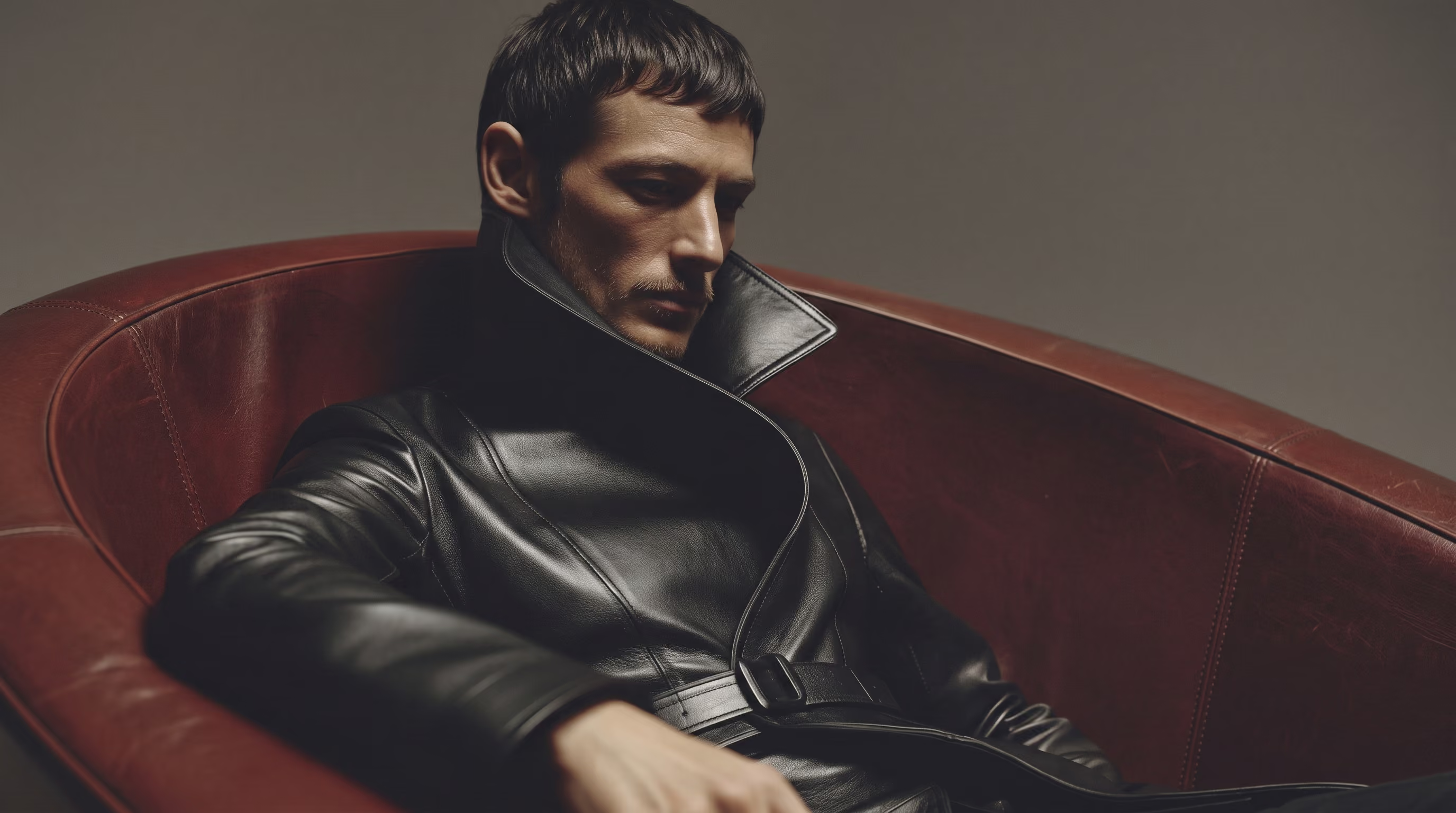
Training an artisan takes years. Losing one takes a resignation letter.
Read Article
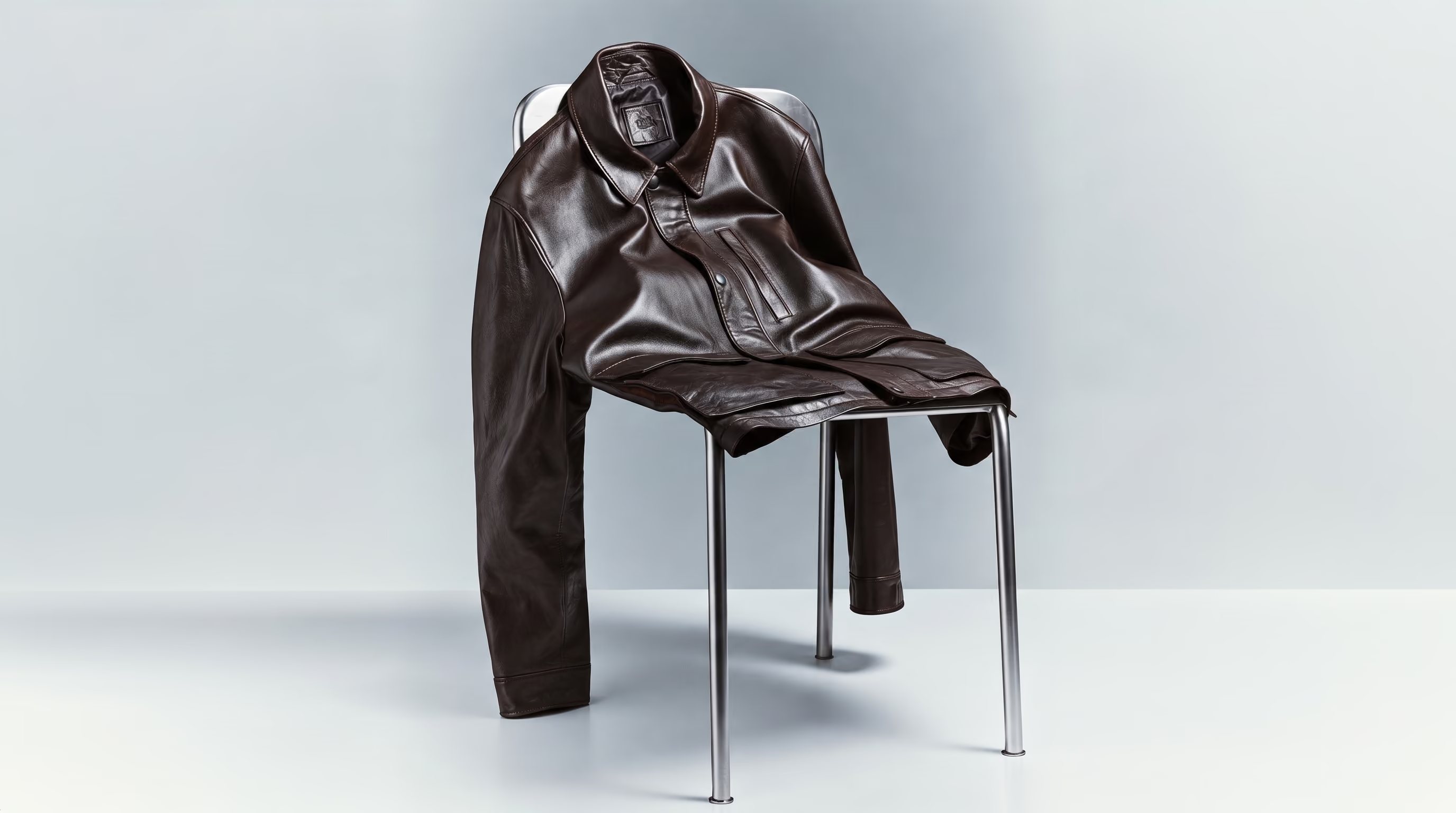
A house can spend a century perfecting its craft and still remain largely unknown beyond its own walls.
Read Article